

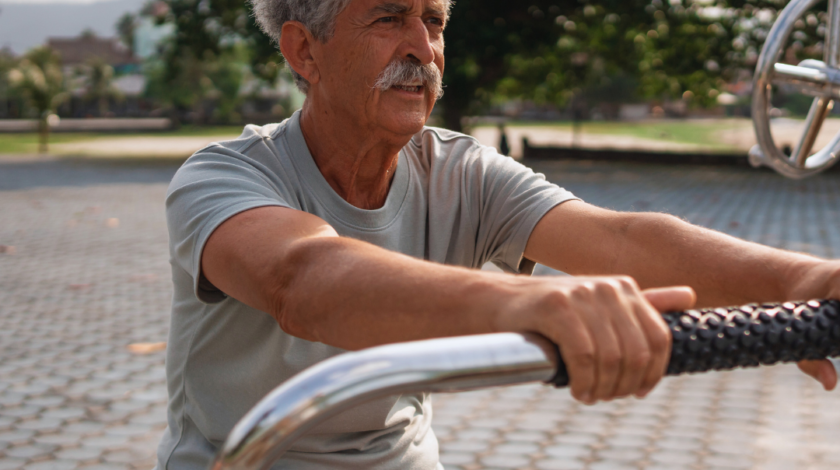
Aging well is influenced by consistent, intentional habits that support both physical and mental health. Maintaining a balanced diet, regular physical activity, adequate sleep, and stress management are key habits that contribute to healthy aging. These practices help preserve strength, cognitive function, and overall well-being.
Developing healthy routines early or adjusting current ones can slow down age-related decline. Small, manageable changes in daily life often lead to the most sustainable results. Understanding which habits to prioritize allows for a better quality of life as the years progress.
Understanding Healthy Aging
Aging involves complex biological processes influenced by genetics, environment, and lifestyle choices. Identifying the main drivers of longevity helps focus on effective habits. Misconceptions often obscure what aging realistically entails.
The Science Behind Aging
Aging results from gradual cellular damage and reduced regenerative capacity. Key mechanisms include oxidative stress, where free radicals damage cells, and telomere shortening, which limits cell division. These factors contribute to tissue deterioration and organ function decline.
Inflammation also plays a significant role, often called “inflammaging,” as chronic low-level inflammation increases with age, heightening risks for diseases. While genetics sets the baseline for lifespan, environmental factors and personal habits critically modify aging outcomes.
Key Factors Influencing Longevity
Longevity depends on a combination of genetic, lifestyle, and environmental factors. Genetics accounts for roughly 20-30% of lifespan variations, while lifestyle choices influence the remainder. Important habits include a balanced diet, regular physical activity, and sufficient sleep.
Stress management and social connections also significantly impact health span. Avoiding tobacco and limiting alcohol intake reduces the risks of chronic illnesses. Consistent healthcare access and preventive screenings further contribute to healthier aging.
Common Myths About Aging
Aging does not inherently mean inevitable poor health or inactivity. One myth is that memory decline is unavoidable, but many cognitive functions remain stable or improve with age if the brain is engaged.
Another misconception is that older adults cannot build muscle or improve fitness. Research shows that strength and endurance can be enhanced at virtually any age through appropriate exercise. Aging is often confused with disease, but they are separate; healthy aging means managing or preventing illness, not resigning to decline.
Nutrition for Aging Well
Proper nutrition supports muscle strength, bone health, and cognitive function. Focusing on key nutrients, fluid intake, and addressing common deficiencies helps maintain overall wellness as the body changes with age.
Balanced Diet Essentials
A balanced diet for aging includes a mix of lean proteins, whole grains, fruits, vegetables, and healthy fats. Protein intake is especially important to preserve muscle mass; sources like poultry, fish, beans, and legumes are recommended.
Calcium and vitamin D are vital for bone health. Dairy products, fortified plant milks, leafy greens, and exposure to sunlight aid in maintaining adequate levels.
Limit saturated fats, added sugars, and sodium to reduce the risk of chronic diseases. Incorporate fiber-rich foods such as vegetables and whole grains to support digestion and heart health.
Hydration and Its Impact
Dehydration risk increases with age due to diminished thirst sensation and changes in kidney function. Aim for about 8 cups of fluids daily from water, herbal teas, and hydrating foods like cucumbers and watermelon.
Avoid excessive caffeine and alcohol, as both can contribute to fluid loss. Regular hydration benefits cognitive function, joint lubrication, and temperature regulation.
Monitoring urine color—pale yellow indicates proper hydration—is a simple way to assess fluid status throughout the day.
Managing Nutrient Deficiencies
Common deficiencies in older adults include vitamin B12, iron, calcium, and vitamin D. Vitamin B12 absorption decreases with age, so fortified foods or supplements may be necessary.
Iron is crucial to prevent anemia, often found in lean meats and fortified cereals. Vitamin D can be supplemented or sourced through sunlight exposure.
Regular blood tests can help identify deficiencies early. Addressing these promptly supports energy levels, bone density, and immune function.
Physical Activity and Mobility
Maintaining physical activity is essential to preserve independence and health with age. A combination of aerobic, strength, and flexibility exercises supports overall mobility and lowers the risk of injury.
Exercise Guidelines for Older Adults
Older adults should aim for at least 150 minutes of moderate aerobic activity weekly, such as brisk walking or swimming. This can be broken into 30-minute sessions five days a week.
In addition to aerobic work, include muscle-strengthening activities twice per week. These help maintain bone density and muscle mass.
Monitoring intensity is key. Moderate activity means working hard enough to raise the heart rate while still being able to hold a conversation comfortably.
Strength and Flexibility Training
Strength training focuses on key muscle groups using weights, resistance bands, or bodyweight exercises. Prioritize legs, arms, back, and core to improve balance and support daily movements.
Flexibility exercises, such as stretching or yoga, should be done regularly to maintain joint range of motion. Stretch major muscle groups after warming up or after exercise.
Both forms reduce stiffness, improve posture, and lessen muscle imbalances that contribute to falls.
Preventing Falls and Injuries
Falls are common in older adults and often lead to serious injury. Strategies include balance exercises like tai chi and using handrails or walking aids when necessary.
Remove home hazards such as loose rugs and ensure good lighting. Regular vision checks and footwear that fits well and provides support are important.
Maintaining muscle strength combined with cautious movement lowers fall risk and supports safe independence.
Mental and Emotional Wellness
Cognitive health, emotional balance, and strong social ties all play crucial roles in aging well. Developing effective strategies in these areas contributes to a better quality of life and resilience.
Maintaining Cognitive Function
Engaging in mentally stimulating activities helps keep the brain sharp. Puzzles, reading, and learning new skills support neuroplasticity and memory retention.
Regular physical exercise also benefits cognition by improving blood flow to the brain. Aim for aerobic activities like walking or swimming at least 150 minutes weekly.
Diet influences cognitive health. Foods rich in antioxidants, omega-3 fatty acids, and vitamins E and C promote brain function.
Adequate sleep and managing chronic conditions like diabetes or hypertension further protect cognitive abilities.
Stress Management Techniques
Prolonged stress negatively affects mental and physical health. Techniques such as deep breathing, meditation, or progressive muscle relaxation can reduce stress levels effectively.
Structured routines create a sense of control, which lowers anxiety. Journaling or talking to a trusted person helps process emotions.
Mindfulness practices improve focus and emotional regulation. Incorporating 10-20 minutes daily can yield noticeable benefits.
Avoiding excessive caffeine or alcohol supports calmer responses to stress.
Fostering Positive Relationships
Social connections reduce the risks of depression and cognitive decline. Regular contact with family, friends, or community groups is beneficial.
Active listening and open communication strengthen bonds. Sharing experiences promotes emotional support.
Volunteering or participating in group activities provides purpose and opportunities to build new relationships.
Technology, such as video calls or social media, can help maintain connections when physical interaction is limited.
Healthy Sleep Patterns
Maintaining consistent sleep patterns improves cognitive function, mood, and physical health as the body ages. Adjusting sleep routines and addressing common sleep challenges can enhance rest and overall well-being.
Sleep Needs as We Age
Older adults typically require 7 to 8 hours of sleep per night. However, sleep duration alone isn’t enough; the quality of sleep is equally crucial. Aging often brings changes such as lighter sleep stages and more frequent awakenings.
Napping during the day can compensate for nighttime disruptions, but should be limited to 20–30 minutes to avoid affecting nighttime sleep. Sleep cycles also become shorter, causing older adults to wake earlier than in younger years.
Conditions like insomnia or sleep apnea become more common with age. Addressing these through medical consultation promotes better rest and reduces risks related to poor sleep.
Improving Sleep Quality
Establish a regular bedtime and wake time, even on weekends, to reinforce the body’s circadian rhythm. Limit exposure to screens and bright lights at least one hour before bed to encourage melatonin production.
Create a sleep-friendly environment that is cool, quiet, and dark. Use blackout curtains or white noise machines if needed. Avoid caffeine and heavy meals within 4 hours of bedtime.
Physical activity during the day improves sleep quality, but avoid vigorous exercise close to bedtime. Practice relaxation techniques such as deep breathing or meditation to reduce stress and prepare the body for sleep.
Preventive Healthcare Practices
Aging well involves actively monitoring health to catch issues early and reduce risks. Staying current with screenings, vaccines, and managing medications is essential to maintaining quality of life and independence.
Regular Medical Screenings
Regular screenings help detect conditions like high blood pressure, diabetes, and cancer before symptoms appear. For adults 50 and older, annual blood pressure checks and cholesterol tests every 4-6 years are key.
Cancer screenings vary by type:
- Colorectal cancer: Colonoscopy every 10 years or alternatives like stool tests annually.
- Breast cancer: Mammograms every 1-2 years for women aged 50 to 74.
- Prostate cancer: Discuss PSA testing with your doctor based on risk factors.
Vision and hearing tests every 1-2 years help identify impairments that impact safety and communication.
Immunizations for Older Adults
Vaccines strengthen the immune system against serious illnesses that increase with age. Key immunizations include:
- Influenza vaccine annually.
- Shingles vaccine (two doses starting at age 50).
- Pneumococcal vaccines to prevent pneumonia and meningitis are often recommended after age 65.
- Tdap or Td booster every 10 years to protect against tetanus and diphtheria.
Staying up to date with vaccinations lowers hospitalizations and complications from preventable diseases.
Medication Management
Older adults often take multiple medications, increasing the risks of interactions and side effects. Keeping a current list of all prescriptions, over-the-counter drugs, and supplements is vital.
Use one pharmacy to fill all prescriptions when possible. Review medications with your healthcare provider at least annually to adjust dosages or discontinue unnecessary drugs.
Proper adherence includes:
- Taking meds exactly as prescribed.
- Using pill organizers or reminders.
- Being aware of potential side effects and interactions.
Medication management supports safe, effective treatment and reduces hospital visits.
Social Engagement and Purpose
Maintaining strong social ties and engaging in meaningful activities can positively influence mental and emotional health. These practices contribute to a sense of belonging and support, which are crucial for healthy aging.
Staying Socially Connected
Regular interactions with family, friends, and community members help prevent feelings of loneliness and isolation. Scheduling frequent phone calls, video chats, or in-person meetings can maintain these essential bonds.
Involvement in social groups, clubs, or classes provides opportunities for new relationships and mental stimulation. Activities like book clubs, hobby groups, or senior centers encourage both social interaction and cognitive engagement.
Using technology to connect, especially for those with limited mobility, is effective. Familiarity with social media, messaging apps, and virtual meetups can broaden social networks and offer consistent contact with others.
Volunteering and Community Involvement
Volunteering offers a structured way to contribute skills and knowledge, fostering a sense of purpose. Community activities like mentoring, organizing local events, or supporting charities provide meaningful roles and social integration.
Studies show volunteering can enhance mental health by reducing depression and improving life satisfaction. It also often involves physical activity, which supports overall well-being.
Joining community boards, neighborhood associations, or advocacy groups allows older adults to influence local decisions and remain active citizens. This participation strengthens social ties and promotes a continued sense of relevance and accomplishment.
Home and Environment Safety
A safe living environment reduces the risk of falls, injuries, and emergencies. This involves adapting the home to physical needs and having effective plans in place for unexpected situations.
Creating an Age-Friendly Living Space
Focus on clear, unobstructed pathways throughout the home to prevent tripping hazards. Remove loose rugs, secure electrical cords, and ensure floors are even and slip-resistant. Install handrails on stairs and grab bars in bathrooms near toilets and showers.
Use adequate lighting in all rooms, especially hallways and staircases. Nightlights in bedrooms and bathrooms can prevent disorientation during nighttime trips. Furniture should be sturdy with easy-to-use handles and switches.
Consider adjustable counters and shelves to reduce bending or stretching. A bedroom and bathroom on the ground floor minimize the need to navigate stairs daily.
Emergency Preparedness
Develop a clear emergency plan tailored to the living situation. Keep emergency phone numbers by every phone and program them into cell phones for quick access. Consider devices like medical alert systems with fall detection features.
Practice evacuation routes regularly and ensure all exits are accessible. Keep fire extinguishers and smoke alarms tested and within reach. Store a well-stocked emergency kit including water, non-perishable food, flashlights, batteries, and basic medications.
Share the emergency plan with family or caregivers and arrange for regular check-ins. This ensures help can be summoned quickly if needed.
Adapting to Change and Staying Motivated
Aging involves constant adjustments in physical, social, and emotional realms. Maintaining motivation requires practical strategies that align with these evolving circumstances and realistic expectations.
Embracing Life Transitions
Life changes such as retirement, loss of loved ones, or health shifts can disrupt routines. Accepting these transitions as natural rather than resisting them helps reduce stress and encourages resilience.
Focusing on what can be controlled—like daily activities, diet, or social interactions—provides a sense of stability. Building new routines and exploring interests helps fill gaps left by these changes.
Social support plays a critical role. Staying connected with family, friends, or community groups mitigates feelings of isolation. Seeking professional help when needed ensures that emotional and mental well-being are prioritized during difficult adjustments.
Setting Realistic Goals
Setting achievable goals keeps progress steady and motivation high. Goals should be specific, measurable, and tailored to current abilities rather than past performance.
Breaking larger objectives into smaller tasks increases the likelihood of success and reduces overwhelm. For example, instead of committing to daily hour-long exercise, start with 10-minute walks and gradually increase duration.
Tracking progress visually—using journals or apps—reinforces accomplishments and identifies areas needing adjustment. Flexibility in goals allows adaptation as circumstances change, supporting continued engagement without discouragement.