

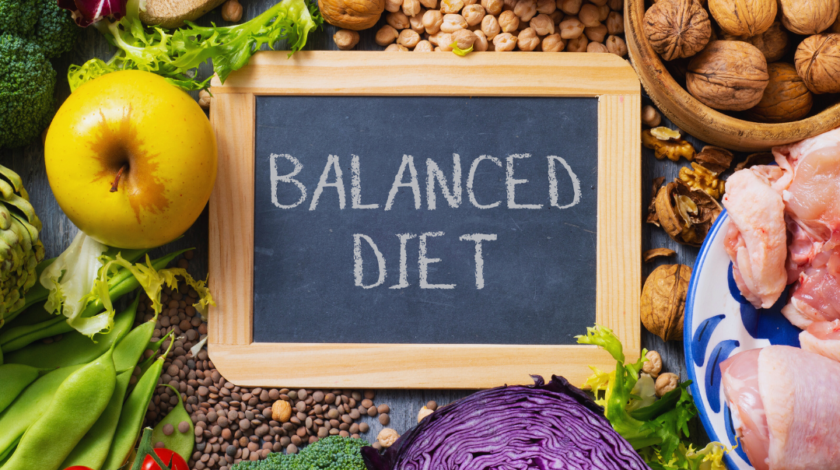
A balanced diet provides your body with the essential nutrients it needs to function properly. It includes a variety of foods from all major groups—fruits, vegetables, proteins, grains, and dairy—in appropriate proportions.
The key to a balanced diet is eating nutrient-rich foods in the right amounts to meet your energy and health needs. Understanding these basics helps you make informed choices that support overall well-being.
This guide will break down what a balanced diet looks like for beginners and offer simple steps to start eating healthier without confusion or stress.
What Is a Balanced Diet?
A balanced diet provides the body with the necessary nutrients in the right proportions. It supports growth, energy, and overall health by combining various food types and nutrients.
Definition of a Balanced Diet
A balanced diet includes an appropriate mix of macronutrients—carbohydrates, proteins, and fats—and micronutrients such as vitamins and minerals. The goal is to meet the body’s energy needs without excess or deficiency.
It involves consuming a variety of foods to ensure nutrient diversity. This variety helps prevent nutritional imbalances and supports bodily functions like metabolism, immunity, and tissue repair.
Portion control plays a role, too. Eating the right amount for your age, sex, and activity level avoids weight gain or loss from poor nutrient intake.
Key Principles of Nutrition
Nutrition focuses on getting essential nutrients to maintain health. Carbohydrates usually supply 45-65% of energy, proteins 10-35%, and fats 20-35%.
Vitamins and minerals, though needed in smaller amounts, are crucial for processes like bone health and blood clotting. Fiber intake of 25-30 grams daily supports digestion.
Hydration is often overlooked but vital. Drinking enough water aids nutrient transport and temperature regulation.
Eating regularly spaced meals helps steady blood sugar and energy. Avoiding excessive sugar, salt, and saturated fat reduces risks of chronic diseases.
Major Food Groups
The major food groups include:
- Fruits and Vegetables: Rich in vitamins, minerals, fiber, and antioxidants. Aim for half of your plate to come from these.
- Grains: Primarily carbohydrates and fiber. Whole grains are preferred over refined grains for better nutrition.
- Proteins: Sources like meat, fish, eggs, beans, and nuts provide amino acids and other nutrients.
- Dairy or Alternatives: Supply calcium, vitamin D, and protein.
- Fats: Needed for energy and cell function. Choose unsaturated fats found in oils, nuts, and fish.
Balancing portions across these groups ensures nutrient needs are met without overconsumption.
Essential Nutrients for Beginners
Eating the right combination of nutrients supports energy, growth, and overall health. Understanding the roles of macronutrients, micronutrients, and water helps build a balanced diet that meets basic body needs.
Macronutrients: Carbohydrates, Proteins, and Fats
Macronutrients provide the energy and building blocks for the body. Carbohydrates are the primary energy source, found in foods like grains, fruits, and vegetables. They break down into glucose, fueling muscles and the brain.
Proteins are essential for tissue repair, muscle growth, and enzyme production. Sources include meat, beans, dairy, and nuts. Aim for a balanced intake to support bodily functions and recovery.
Fats are necessary for hormone production, cell health, and absorbing fat-soluble vitamins (A, D, E, K). Choose healthy fats from avocados, nuts, seeds, and olive oil while limiting saturated and trans fats.
Micronutrients: Vitamins and Minerals
Micronutrients support countless biochemical processes. Vitamins such as C, D, and B-complex boost immunity, aid metabolism, and maintain skin and bone health. Minerals like calcium, iron, and magnesium are crucial for bone strength, oxygen transport, and muscle function.
Deficiency in these nutrients can lead to fatigue, weakened immunity, or other health issues. Eating a varied diet with fruits, vegetables, whole grains, and lean proteins typically provides sufficient vitamins and minerals.
Hydration Basics
Water is vital for nearly every body function: regulating temperature, transporting nutrients, and removing waste. The recommended daily intake is about 2 to 3 liters, but needs vary by activity, climate, and individual factors.
Dehydration can cause headaches, dizziness, and reduced cognitive performance. Drinking water consistently throughout the day is the best approach. Other fluids and water-rich foods like cucumbers and watermelon also help maintain hydration.
Building a Healthy Plate
A healthy plate balances portion sizes, includes a variety of foods, and combines ingredients that meet nutritional needs. Paying attention to how much you eat, the colors on your plate, and smart meal choices can improve diet quality.
Ideal Portion Sizes
Understanding portion sizes helps control calorie intake without feeling deprived. Use your hand as a simple measuring tool: a fist equals about one cup of vegetables or grains, a palm-sized portion fits protein, and a thumb represents fats like oils or butter.
For grains and starchy vegetables, aim for about one-quarter of your plate. Protein should also cover roughly one-quarter, with non-starchy vegetables filling the rest. This framework prevents overeating and supports balanced nutrient intake.
Avoid oversized servings; for example, a standard cooked pasta portion is about half a cup. Adjust portions based on activity level, but always start with these basic size guidelines to maintain portion control.
Food Variety and Color
Incorporating multiple colors on your plate ensures a wide range of vitamins, minerals, and antioxidants. Different pigments indicate distinct nutrients—greens often contain iron and calcium, reds provide lycopene, and oranges offer beta-carotene.
Aim to include at least three different colors at each meal. This approach encourages eating vegetables, fruits, whole grains, and lean proteins instead of relying on processed or single-type foods.
Variety also enhances meal enjoyment and can prevent nutrient deficiencies. For example, pairing spinach with carrots and tomatoes adds both flavor and balanced nutrition.
Sample Meal Combinations
A balanced meal can look like this: grilled chicken (protein), quinoa (grain), steamed broccoli and carrots (vegetables), and a small avocado slice (healthy fat). This provides protein, fiber, vitamins, and heart-healthy fats.
Another example is a mixed salad with spinach, cherry tomatoes, chickpeas, cucumber, olive oil, and grilled salmon. This includes plant-based fiber, lean protein, and healthy oils.
For breakfast, consider oatmeal topped with berries, a spoonful of nuts, and a boiled egg. It balances carbohydrates, antioxidants, protein, and fats to start the day well.
Creating a Beginner-Friendly Meal Plan
A practical meal plan balances nutrition with simplicity and fits a beginner’s lifestyle. It emphasizes portion control, variety, and time management to reduce stress and improve adherence.
Meal Planning Tips
Start by designing meals around key food groups: vegetables, proteins, whole grains, and healthy fats. Aim for half of your plate to be vegetables or fruits at each meal.
Use batch cooking to prepare staples like grains or roasted vegetables in advance. Keep breakfast consistent and simple, such as oatmeal with fruit or yogurt with nuts.
Plan snacks with nutrient-dense options like carrot sticks, almonds, or fresh fruit. Track portion sizes using measuring cups or a kitchen scale until familiar with serving sizes.
Grocery Shopping Guidance
Create a shopping list organized by food categories: produce, proteins, grains, and dairy or alternatives. Stick to the perimeter of the store where fresh and whole foods are usually located.
Choose seasonal vegetables and fruits to save money and increase nutrient variety. Opt for lean protein sources such as chicken breast, beans, or fish.
Avoid processed foods high in added sugars and unhealthy fats. If buying canned goods, check labels for sodium content and choose low-sodium options.
Simple Recipe Ideas
Focus on meals with 5 ingredients or fewer to keep cooking manageable. Examples include grilled chicken with quinoa and steamed broccoli or a vegetable stir-fry with tofu and brown rice.
Breakfast could be scrambled eggs with spinach and whole-grain toast. For snacks, try hummus with sliced cucumbers.
Use herbs and spices to add flavor without extra calories or salt. Experiment with slow cooker or one-pan recipes to minimize cleanup and cooking time.
Common Challenges and Solutions
Starting and maintaining a balanced diet often presents specific obstacles. Addressing cravings, navigating food choices outside the home, and creating sustainable habits are essential for success.
Overcoming Unhealthy Cravings
Unhealthy cravings can disrupt balanced eating by encouraging the consumption of high-sugar or high-fat foods. Identifying triggers is key; stress, boredom, and dehydration are common causes. Drinking water or taking a short walk can reduce cravings.
Replacing sweets and salty snacks with healthier options like fruit, nuts, or yogurt helps satisfy hunger without compromising nutrition. Planning meals and snacks in advance reduces impulsive decisions. Keep tempting foods out of easy reach or avoid buying them altogether.
Balancing meals with fiber, protein, and healthy fats stabilizes blood sugar levels, minimizing sudden cravings. Consistency in meal timing prevents extreme hunger, which often leads to choices based on craving rather than nutrition.
Eating Out and Balanced Choices
Eating out can challenge balanced eating due to limited control over ingredients and portion sizes. Researching menus ahead allows for informed decisions. Opt for dishes with grilled proteins, vegetables, and whole grains.
Request modifications, such as dressing on the side or substituting fries with salad. Portion control is vital; sharing large portions or packing half to go can prevent overeating.
Avoid all-you-can-eat buffets and fried foods when possible. Drinking water instead of sugary beverages reduces unnecessary calorie intake. Prioritize balance by combining protein, fiber, and healthy fats even at restaurants.
Staying Consistent
Consistency is often the hardest part of maintaining a balanced diet. Setting achievable, specific goals rather than vague intentions improves adherence. Track progress through journaling or apps to stay focused.
Incorporate flexibility by allowing occasional treats without guilt; this prevents feelings of deprivation. Routine meal prepping saves time and reduces reliance on convenience foods.
Support from friends or family enhances accountability. Regularly revisiting and adjusting goals maintains motivation over time. Consistency builds habit, which leads to lasting dietary improvements.
Tracking Progress and Adjustments
Keeping track of food intake and noticing changes in how your body responds are key to maintaining a balanced diet. Adjustments based on this information help ensure continued progress and prevent plateaus.
Monitoring Your Diet
Use a food journal or a mobile app to record daily meals and snacks. This helps identify patterns, such as overeating or missing key nutrients, that might affect your balance.
Focus on tracking portions, food types, and meal timing. Review your entries weekly to spot trends in energy levels, digestion, or cravings. This data guides informed adjustments.
Consider including notes on how different foods make you feel physically and mentally. Tracking hydration and nutrient variety supports more accurate assessments of your diet quality.
Making Gradual Changes
Rather than drastic shifts, introduce small modifications one at a time. For example, add an extra serving of vegetables or swap refined grains with whole grains to minimize digestive discomfort.
Set realistic, incremental goals. Changing one eating habit each week can lead to sustainable improvements without overwhelming you.
Use your monitoring data to pinpoint what requires adjustment. Gradual changes also help your taste preferences adapt without feeling deprived or frustrated.
Listening to Your Body
Pay attention to hunger cues, energy levels, and digestion signals. Eating when genuinely hungry and stopping when satisfied are crucial to avoid overeating.
Notice any adverse reactions, such as bloating or fatigue, which may indicate specific foods that do not suit you well. This information allows targeted adjustments.
Adapting your diet based on how you feel supports long-term success. Respecting your body’s needs promotes balance more effectively than rigid adherence to external rules.
Balanced Diet Myths and Facts
Many common beliefs about balanced diets are incorrect or oversimplified. Understanding the truth behind these ideas helps maintain realistic and effective eating habits.
Debunking Popular Misconceptions
- Myth: Carbs are bad and should be avoided.
- Fact: Carbohydrates are the body’s main energy source. Choosing whole grains, fruits, and vegetables provides essential nutrients and fiber while keeping blood sugar stable.
- Myth: Fats cause weight gain.
- Fact: Healthy fats, like those in nuts, olive oil, and avocados, support brain function and hormone balance. Avoid trans fats, but don’t eliminate fats completely.
- Myth: Skipping meals aids weight loss.
- Fact: Skipping meals can lower metabolism and lead to overeating later. Regular, balanced meals maintain energy and nutrient intake.
Evidence-Based Guidance
Balanced diets include macronutrients—carbohydrates, proteins, fats—in appropriate proportions. The USDA recommends a plate model: half vegetables and fruits, one-quarter proteins, one-quarter grains.
Hydration is another key factor. Water should be the main beverage, limiting sugary drinks and excessive caffeine.
Tracking food quality, not just quantity, matters. Focus on whole foods over processed items, which often contain added sugars and unhealthy fats.
Simple checklist for balanced eating:
- Eat colorful vegetables daily
- Include lean protein sources
- Choose whole grains instead of refined ones
- Incorporate healthy fats moderately
- Drink plenty of water
This approach supports long-term health without strict restrictions.
Long-Term Benefits of a Balanced Diet
A balanced diet supports steady energy levels and mental clarity. Consuming the right mix of nutrients helps maintain stable blood sugar, reducing fatigue and mood swings over time.
Consistent intake of vitamins, minerals, and antioxidants strengthens the immune system. This lowers the frequency and severity of common illnesses like colds and infections.
Balanced eating also plays a key role in managing weight effectively. By providing sufficient nutrients without excess calories, it helps prevent obesity and related health problems.
Long-term heart health benefits include reduced risk of high blood pressure, cholesterol imbalances, and cardiovascular disease. Healthy fats, fiber, and limited processed foods contribute to this protective effect.
| Benefit | Key Nutrients | Impact |
| Immune support | Vitamin C, zinc | Better infection resistance |
| Weight management | Fiber, protein | Weight stabilization |
| Cardiovascular health | Omega-3, antioxidants | Lower heart disease risk |
| Bone strength | Calcium, vitamin D | Reduced risk of osteoporosis |
Balanced nutrition also supports digestive health by promoting regular bowel movements and reducing problems like constipation.
In addition to physical health, a balanced diet can improve sleep quality and cognitive function, making daily activities easier and more productive.